
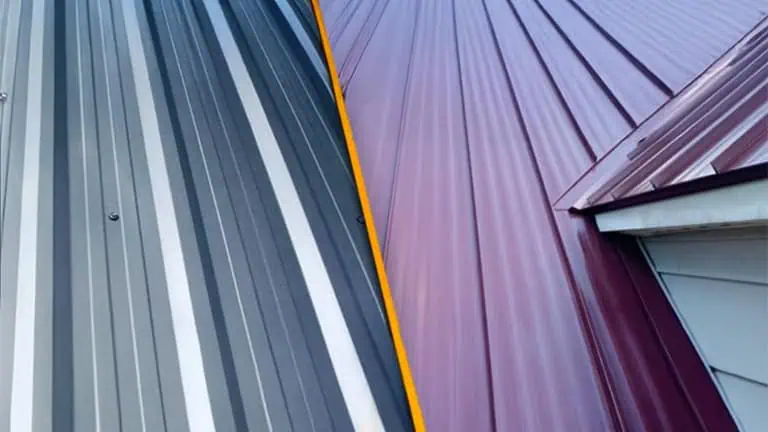
You chose metal. That is a good choice. Now, the salesperson asks you if you want standing seam or corrugated. You are not sure what the two are, except that the price is not the same.
It is more important than many people think. The two do not look the same. They are put in differently. Over time, they also change in different ways.
What You’re Actually Choosing Between
The standing seam roofing system consists of large flat panels with interlocking seams that sit on the roof surface. The fasteners are located under the panels. Therefore, there are no penetrations on the surface of the metal sheet. The corrugated (exposed-fastener) sheets are wavy and have screws inserted directly into the metal surface and into the roof surface. Suppliers like Western Slope Metals have both styles. The best one for you will depend on your roof, your money, and how long you want to live in the house.
The Case for Standing Seam
Standing seam is the best kind you can get. For most homes, people feel it is worth the price.
• Fewer leak points. There are no exposed screws. This means there are no rubber washers to dry out and crack after 15 or 20 years in the sun.
• Room to move. This type of roof can change size when the temperature goes up and down. Standing seam clips help the panels slide a bit. This lowers stress and helps them last longer.
• Clean, modern look. The sharp up-and-down lines fit in well with new homes and mountain houses too.
• Long life. With good care, standing seam roofs usually last 40 to 60 years.
The trade-off is cost and work. These panels are often made to size, and putting them in needs someone who knows what to do. You will get a much higher bill than with corrugated.
The Case for Corrugated
Corrugated metal is durable, economical, and easy to install quickly. It is almost always the right material to use, regardless of whether or not people who like expensive things admit it.
• Economical initial cost of materials and labor
• Durable due to its ribbed design
• Easier for do-it-yourself installation as well as teams of installers on outbuildings and simple roofing projects
• An attractive rustic look for farmhouses and ranches
The weak spot is those fasteners you can see. After some time, washers wear out and screws can come loose as it gets hot and cold. You will need to check and change these fasteners every twenty years or so. This is not a big problem. It is just something that comes with having one.
Five Questions to Settle It
Ask yourself these before you sign anything:
- How steep is the roof? A roof with little slope works well with standing seam. There are no holes from fasteners, so slow-moving water does not have places where it can get in.
- How long will you own the house? If you plan to stay in the house for 25 years or more, then standing seam may be the better choice.
- Is it the main house or an outbuilding? Corrugated works well for shops, carports, and barns.
- What’s your climate like? Large changes in temperature and lots of snow can be tough. The room to move in standing seam helps with this.
- What look do you want? Do you like sleek and modern, or do you want a rough and country feel?
Don’t Forget Color and Coating
No matter which option you choose, the finish will have an effect on your energy bill. The U.S. Department of Energy’s cool roofs guide talks about how reflective roof surfaces can help keep the roof cool and lower cooling costs, especially in places that get lots of sun. Using lighter colors and coatings that can reflect heat makes a big impact in hot summers at higher latitudes.
For a closer look at one well-known standing seam option, this breakdown of Galvalume standing seam roofs shows the good and bad points in a clear way.
The Bottom Line
There is no wrong answer here—just what fits you best. Standing seam is good because it lasts a long time, does not leak much, and looks nice. Corrugated does well if you want to spend less money and need something simple. Get your roof size, pitch, and what you want to spend, then go to Western Slope Metals. Talk it over and look at both options before you decide.
FAQ
Is standing seam worth the extra cost?
If you plan to live in your main home for many years, the answer is mostly yes. This is because it has fewer places where water can get in, and it will last a lot longer.
Can corrugated metal go on a house?
Yes, this is true. You often see it on farmhouses and cabins. Over time, you will need to check and care for the fasteners.
Which metal roof is quieter in the rain?
With strong decking and a good layer under it, both feel about the same as shingles when it comes to noise.
