
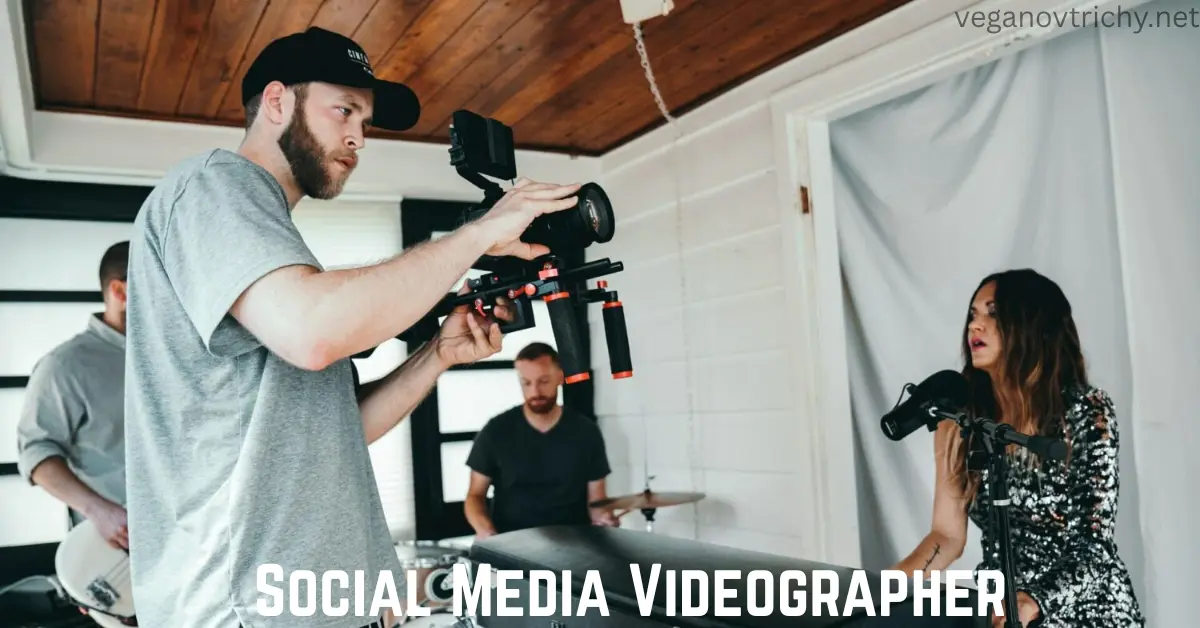
Being a Social Media Videographer is more than just pointing a camera and recording videos. It is a creative job where you turn ideas into stories that people enjoy watching online. Every day is different sometimes you are planning a video, sometimes shooting it, and other times editing it to make it perfect.
Social media videographers help brands, influencers, and even small businesses connect with their audience through videos that are fun, inspiring, or informative. In today’s digital world, their work is not only exciting but also very important for reaching millions of people around the globe.
Daily Life of a Social Media Videographer
A social media videographer is day is full of creativity, planning, and action. Every day brings new challenges and exciting opportunities to tell stories through videos.
- Morning Planning:
- Check social media trends and ideas for new videos.
- Create a simple schedule for shooting and editing.
- Shooting Videos:
- Set up camera, lighting, and sound.
- Record content for Instagram, YouTube, TikTok, or other platforms.
- Experiment with angles and styles to make videos engaging.
- Editing Footage:
- Trim and arrange clips to make the story clear.
- Add music, captions, and effects to attract viewers.
- Ensure the video fits the platform’s style and time limits.
- Uploading and Sharing:
- Publish videos on social media platforms.
- Write catchy captions and hashtags for better reach.
- Engage with audience comments and feedback.
- Learning and Improvement:
- Watch other creators’ videos to get inspiration.
- Learn new editing tricks or tools.
- Reflect on what works and what can be improved next time.
A social media videographer’s day is busy but creative, combining planning, filming, and editing to make videos that connect with people.
Skills You Need to Succeed
To become a successful social media videographer, you need a mix of creative and technical skills.
- Video Shooting Skills:
- Understand camera settings, angles, and lighting.
- Know how to capture clear and engaging footage.
- Editing Skills:
- Use software or apps to trim, cut, and enhance videos.
- Add music, effects, and captions to make videos appealing.
- Storytelling Ability:
- Create videos that tell a clear and interesting story.
- Make content that connects with the audience emotionally.
- Creativity:
- Think of new ideas and unique ways to present videos.
- Experiment with styles, themes, and trends.
- Time Management:
- Plan tasks efficiently to meet deadlines.
- Balance shooting, editing, and publishing without stress.
- Communication Skills:
- Work with clients, teams, or influencers clearly.
- Understand audience preferences and feedback.
- Adaptability:
- Learn new tools, trends, and techniques quickly.
- Adjust content based on platform updates or audience reactions.
Having the right mix of technical and creative skills helps social media videographers create engaging videos and grow in their career.
Equipment and Tools for Social Media Videos
Using the right equipment and tools makes creating social media videos easier and more professional.
- Camera:
- DSLR, mirrorless, or even a good smartphone can be used.
- Choose a camera that records clear and stable video.
- Tripod or Stabilizer:
- Keeps the camera steady while shooting.
- Helps make smooth and professional-looking videos.
- Microphone:
- External microphones capture clear audio.
- Reduce background noise for better sound quality.
- Lighting:
- Ring lights, softboxes, or natural light make videos bright and clear.
- Proper lighting enhances video quality significantly.
- Editing Software:
- Apps like Adobe Premiere, Final Cut Pro, or mobile apps like CapCut.
- Used for cutting, trimming, and adding effects to videos.
- Accessories:
- Memory cards, extra batteries, and lens attachments.
- Help ensure uninterrupted shooting sessions.
- Social Media Platforms:
- Tools for scheduling, posting, and tracking video performance.
- Examples: Instagram, TikTok, YouTube, and their built-in features.
The right equipment and tools help social media videographers create high-quality videos and save time during production.
Challenges Faced by Social Media Videographers
Social media videographers face many challenges while creating engaging content and meeting deadlines.
- Tight Deadlines:
- Videos often need to be created quickly to follow trends.
- Managing time between shooting, editing, and posting can be stressful.
- Creative Blocks:
- Coming up with new and original ideas regularly can be hard.
- Repeating the same content may lower audience interest.
- Changing Trends:
- Social media trends change fast, and videos must adapt.
- Staying updated requires continuous learning.
- Technical Issues:
- Problems with cameras, microphones, or editing software can occur.
- Poor internet or platform glitches may delay uploads.
- Audience Engagement:
- Understanding what viewers like can be tricky.
- Negative comments or low engagement can be discouraging.
- Client Demands:
- Meeting client expectations while maintaining creativity is challenging.
- Sometimes revisions are needed multiple times, increasing workload.
Despite these challenges, social media videographers learn to adapt, stay creative, and deliver engaging videos consistently.
Opportunities and Growth in This Career
A career as a social media videographer offers many opportunities to grow, earn, and explore creativity.
- Freelance Work:
- Work independently for multiple clients.
- Flexibility to choose projects and manage your schedule.
- Full-Time Jobs:
- Companies, brands, and agencies hire videographers for social media content.
- Steady income and long-term career growth.
- Platform-Specific Opportunities:
- Grow as a content creator on YouTube, TikTok, Instagram, etc.
- Earn through ads, sponsorships, or collaborations.
- Skill Development:
- Constantly learn new tools, techniques, and trends.
- Enhance creativity and technical expertise over time.
- Start your own social media agency or video production service.
- Networking and Community:
- Connect with other creators, clients, and professionals.
- Opportunities for collaborations and mentorship.
This career offers growth, creativity, and financial rewards for those willing to learn and adapt in the fast-changing social media world.
Tips for Beginners to Start
Starting as a social media videographer can be exciting and challenging, but simple steps make it easier.
- Start Small:
- Use a smartphone or basic camera to practice shooting videos.
- Focus on short and simple videos first.
- Learn Editing:
- Explore beginner-friendly editing apps like CapCut or iMovie.
- Practice trimming, adding music, captions, and effects.
- Watch Other Creators:
- Observe popular videos for inspiration.
- Learn new styles, trends, and storytelling techniques.
- Plan Your Content:
- Make a simple schedule for recording and posting videos.
- Stick to a consistent style or theme for your content.
- Engage with Audience:
- Respond to comments and messages politely.
- Learn from feedback to improve your videos.
- Keep Learning:
- Try new tools, techniques, and ideas regularly.
- Stay updated with social media trends and platform changes.
- Network:
- Connect with other videographers and content creators.
- Collaborate to grow skills and audience reach.
By starting small, learning continuously, and staying creative, beginners can build a strong foundation as social media videographers.
Impact of Social Media Videographers on Society
Social media videographers play an important role in shaping ideas, trends, and messages for people around the world.
- Influencing Trends:
- People follow trends shared by videographers on social media.
- Videos can make products, fashion, or ideas popular quickly.
- Educational Content:
- Short videos can teach new skills or share important information.
- Help students and learners understand concepts in a simple way.
- Business Promotion:
- Videographers help brands and small businesses reach customers.
- Videos increase engagement and sales online.
- Entertainment:
- Creative videos entertain millions of viewers.
- Make social media fun and engaging for audiences.
- Awareness and Social Change:
- Videos can raise awareness about social issues, health, and environment.
- Influence people to take action or change habits.
- Community Building:
- Connect people with shared interests.
- Encourage interaction and discussion on online platforms.
Social media videographers impact society by informing, entertaining, and connecting people, while also shaping trends and opinions.
Success Stories and Inspirations
Many social media videographers have turned their creativity into success, inspiring beginners around the world.
- From Hobby to Career:
- Some creators started with simple videos for fun.
- Today, they earn money and have a large online following.
- Viral Videos:
- A single viral video can bring recognition and opportunities.
- Creators use trends creatively to reach millions.
- Influencer Collaborations:
- Successful videographers often work with popular influencers.
- Collaborations help grow skills, audience, and income.
- Entrepreneurial Growth:
- Some start their own video production companies.
- They offer services to brands, businesses, and other creators.
- Learning and Persistence:
- Success comes from practicing regularly and learning new techniques.
- Overcoming failures motivates them to keep improving.
The success stories of social media videographers show that creativity, hard work, and persistence can turn passion into a rewarding career.
Common FAQs About Social Media Videographers
How much can a social media videographer earn?
Earnings vary depending on experience, clients, and platforms. Freelancers may earn $300–$2000 per project, while full-time videographers can earn $35,000–$70,000 per year.
Do I need a professional degree to become a social media videographer?
No, formal education is not mandatory. Practical skills, creativity, and experience matter more. Online courses can help improve knowledge.
Which social media platform is best for videographers to grow?
TikTok, YouTube, and Instagram are ideal for video content. Each platform has unique audiences and video formats to explore.
Can I start as a social media videographer with a smartphone?
Yes! Many successful videographers started with smartphones. Good lighting, stable shots, and editing apps can produce professional-looking videos.
How long does it take to become successful in this career?
Success depends on dedication, consistency, and learning. Some may see results in 6–12 months, while others take a few years.
What types of videos are in demand?
Short-form videos, tutorials, product reviews, vlogs, and entertaining content are highly popular on social media.
Do social media videographers work alone or in teams?
Both are possible. Freelancers often work alone, while agencies or brands may have teams for larger projects.
How can I improve my video editing skills?
Practice regularly, watch tutorials, and experiment with different software features. Feedback from peers also helps improvement.
Are social media videographers only for marketing purposes?
No, they create content for entertainment, education, social causes, and personal branding as well.
What is the future of social media videography?
The demand is expected to grow as online video consumption increases. New technologies like AI, AR, and 360° video will create more opportunities.
Conclusion
Being a social media videographer is not just a job it’s a chance to shape stories that inspire, inform, and entertain millions of people. Beyond cameras and editing software, it requires curiosity, adaptability, and a willingness to experiment with new ideas.
Each project brings a new lesson, whether it’s understanding audience behavior, testing innovative formats, or discovering creative solutions under pressure. For those who love storytelling and digital trends, this career offers endless possibilities to leave a mark on the online world while continuously growing as a creator.
