
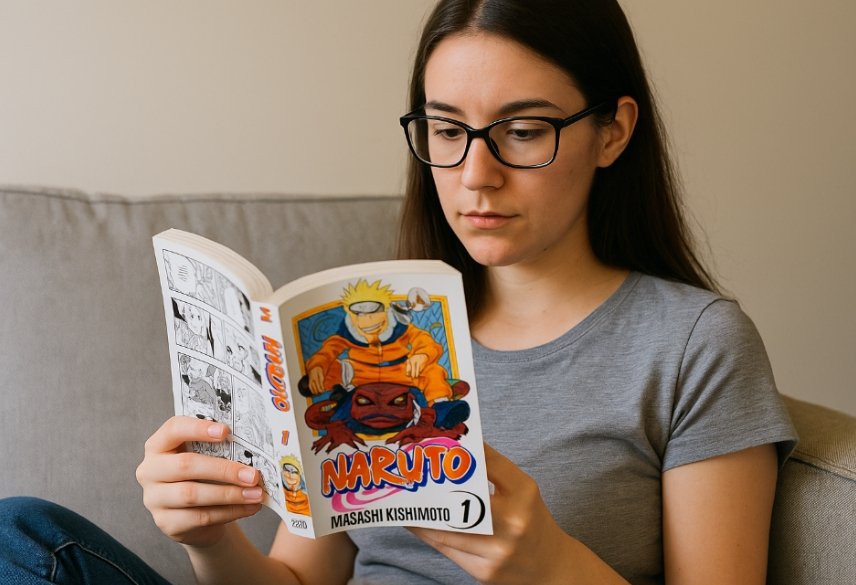
Naruto isn’t just a manga it’s a cultural whirlwind that has swept through generations of fans across the globe. From childhood nostalgia to adult admiration, the story of the orange-clad ninja continues to spark interest long after its final chapter. But what exactly made Naruto explode into a global phenomenon? Is it the compelling storyline, the unforgettable characters, or something even deeper rooted in Japanese storytelling and emotional resonance? If you’ve ever asked yourself why is Naruto so loved?, you’re in the right place. In this article, we’ll break down the unique elements that turned Naruto into one of the best-selling and most impactful manga series of all time. Whether you’re new to the world of Konoha or revisiting it with fresh eyes, you’ll find thoughtful insights and clear answers that make the success of Naruto not just understandable but inevitable.
The depth behind Naruto’s storyline
Naruto’s journey is not just a sequence of ninja battles and flashy techniques. It’s a coming-of-age odyssey packed with emotional growth, cultural richness, and philosophical questions that reflect real human experiences. The main plot follows Naruto Uzumaki, a young orphan with a sealed demon fox inside him, who dreams of becoming Hokage the strongest ninja and respected leader of his village. But beneath that classic underdog narrative lies a rich fabric of themes like identity, rejection, perseverance, and redemption. The Naruto storyline explained reveals a world where emotional scars matter as much as physical ones. Characters are never static; they grow, break, heal, and evolve which is one of the keys to the series’ enduring success.
You can see this depth reflected in the intense emotional arcs from Naruto’s loneliness to Sasuke’s revenge-driven path and Gaara’s tragic transformation. These Naruto emotional moments resonate globally because they speak to something universally human. Moreover, the use of symbolism like Naruto’s fox mask, the significance of the ninja headbands, or the spiral in his name and costume reinforces cultural and personal themes. If you’re looking to start a collection of merchandise that reflects this journey, you’ll enjoy browsing through this rich selection of Naruto figures that capture every important stage of the characters’ evolution. The success of Naruto isn’t only about battles or jutsus. It’s about the quiet victories of friendship, belief, and internal strength.
Character development like no other
Few manga or anime series can boast the level of Naruto character development we see here. From Team 7 to the Akatsuki, nearly every character is built with layers of complexity. They each have motivations, backstories, weaknesses, and transformations that feel authentic and earned. Take Naruto, for example. He starts as a loud, clumsy kid desperate for attention. But over time, we see him mature into a wise, selfless leader who embodies the Will of Fire a concept rooted in sacrifice and love for the village. Sasuke’s descent into darkness and eventual return is another perfect mirror of the emotional pendulum that defines many real-world struggles.
Even side characters like Neji, Hinata, or Shikamaru get moments to shine and contribute to the broader themes of fate, courage, and strategy. These arcs contribute to what many fans refer to when they ask, why is Naruto so popular? The emotional investment the audience builds over hundreds of chapters is a result of this rich tapestry of individuals. And this isn’t exclusive to the manga; the anime adaptation, too, breathes life into these stories. If you’re into collecting figures and memorabilia that truly represent these characters’ evolutions, check out these quality anime figures crafted specifically for Canadian fans.
The cultural impact of Naruto worldwide
Naruto’s influence extends far beyond the pages of Shonen Jump or TV screens. It has embedded itself into the pop culture zeitgeist from references in music and fashion to academic discussions on its storytelling methods. The Naruto success worldwide lies in its ability to bridge Eastern and Western values. While rooted in Japanese mythology, spiritual beliefs, and cultural archetypes, its universal themes of self-worth, resilience, and friendship allow it to connect with global audiences.
Even in Canada, Naruto is more than a niche interest it’s a shared language among fans, collectors, and creatives. From cosplay conventions to YouTube fan theories and breakdowns, Naruto continues to fuel naruto fan theories and content creation years after its finale. Beyond fan circles, Naruto has inspired real-life philosophies on leadership, discipline, and emotional intelligence. Teachers use it as a metaphor for persistence; psychologists cite its characters to explain trauma and healing. This level of influence is rare and speaks to how Naruto changed anime for good.
Story arcs and themes that leave a lasting impression
Naruto is structured into meaningful story arcs, each with its own climax, message, and set of lessons. Some arcs like the Chunin Exams or Pain’s Invasion are iconic because they blend action with emotional depth and philosophical weight. These aren’t just cool fights; they’re moral battlegrounds that ask difficult questions about justice, revenge, and peace. Each character’s journey such as Naruto’s journey to Hokage is not just a path of power, but a mirror to their internal transformation. The story constantly challenges characters to face their past, overcome it, and strive for something bigger than themselves. The series doesn’t just preach friendship; it shows what it takes to maintain bonds through hardships, betrayals, and pain. These deeply human Naruto themes of friendship are what truly stick with fans and help the story age gracefully.
Key themes woven through Naruto
- Redemption
- Identity
- Destiny vs Free Will
- Sacrifice
- Legacy
- Peace and Conflict
- Belonging
- Leadership
Naruto’s message to new generations
Naruto continues to attract new fans years after its conclusion and not just for nostalgia. Its message endures because it speaks to the timeless need for hope, belonging, and self-discovery. As newer anime rise, Naruto remains a reference point, a benchmark for what compelling storytelling looks like in this medium. For Naruto for new fans, the experience offers more than action and cool powers. It’s an emotional adventure that challenges your perspective on life, family, and inner strength. Unlike many shows that focus purely on winning, Naruto highlights the struggles of losing and the strength that comes from rising again. Whether you’re comparing Naruto vs other shonen, digging into Naruto symbolism meaning, or simply appreciating the art, there’s always something to learn. The message Naruto leaves behind is simple, yet profound: never give up, believe in yourself, and protect those you love.
What Naruto teaches us
Naruto is more than just entertainment; it’s a mirror held up to life’s most challenging questions. Through growth, hardship, and connection, Naruto teaches us that our flaws can become our strengths. Its worldwide success is no accident it’s a result of meaningful storytelling, rich characters, and a powerful emotional core that continues to resonate with audiences of all ages.
